Exploring Everyday Japanese Cuisine
Japanese cuisine is often associated with elegant restaurant meals and carefully prepared sushi recipes, but everyday food culture in Japan is built around simplicity, balance, and seasonal comfort. In homes across the country, meals are designed to support daily life through nourishing ingredients and thoughtful preparation rather than extravagance. While visitors may focus on famous traditional Japanese dishes served during special occasions, ordinary home cooking reveals a quieter and more personal side of Japanese cuisine that reflects routine, family traditions, and respect for seasonal ingredients.
One of the defining qualities of everyday Japanese cuisine is balance. Meals are rarely centered around a single heavy dish. Instead, families often combine rice, vegetables, Japanese soups, and smaller side dishes into meals that feel complete without becoming excessive. This balanced structure allows different flavors and textures to complement each other naturally. Sushi recipes prepared at home are often part of this style of dining, served alongside soups and seasonal vegetables to create a calm and satisfying experience.
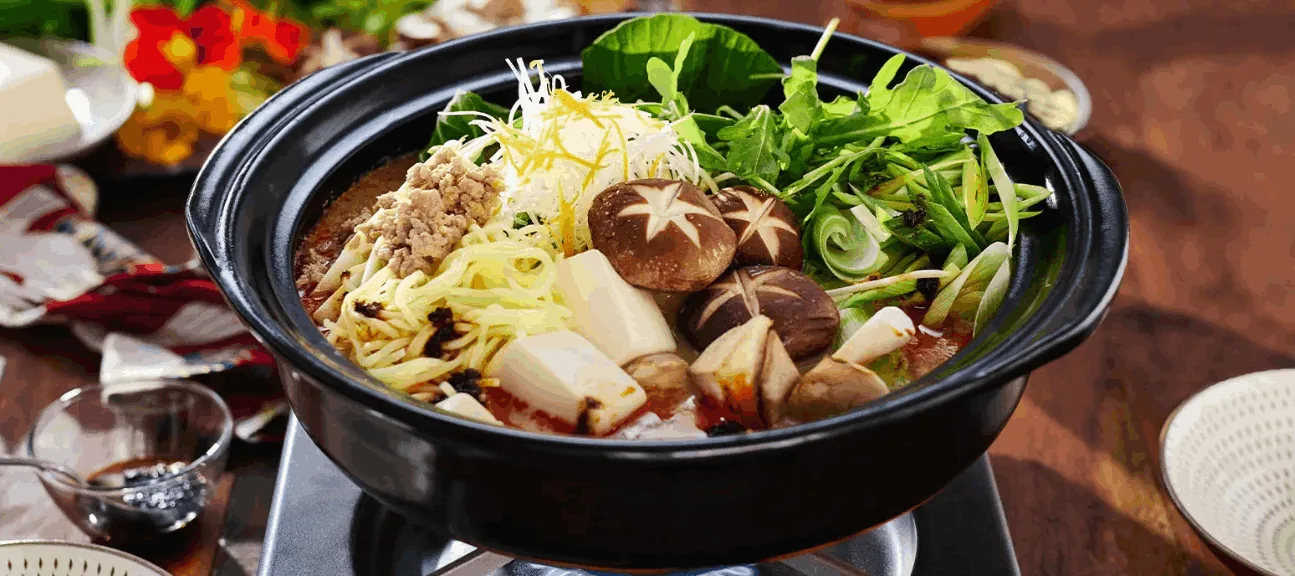
Japanese soups play a particularly important role in daily meals because they provide warmth and comfort while also helping create harmony within the meal. In many households, soups are prepared using ingredients that change throughout the year, reflecting the strong seasonal awareness present in Japanese cuisine. During colder months, richer broths and root vegetables become more common, while lighter ingredients are preferred during spring and summer. Traditional Japanese dishes often follow these seasonal patterns naturally, helping people remain connected to the changing environment through food.
Another important aspect of everyday Japanese cuisine is the emphasis on fresh ingredients and careful preparation. Meals are often simple in appearance, but significant attention is given to flavor balance and texture. Traditional Japanese dishes are not usually designed to overwhelm the senses. Instead, they encourage people to appreciate subtle differences in aroma, color, and freshness. This philosophy can also be seen in sushi recipes, where small details such as rice texture or ingredient arrangement influence the overall experience more than dramatic presentation.
Cooking at home is also deeply connected to family culture and personal routine. Many traditional Japanese dishes are passed between generations, carrying memories and regional influences that shape family identity. Japanese soups prepared during winter evenings or sushi recipes served during gatherings can become part of long-standing traditions that strengthen family connections. Japanese cuisine often reflects emotional comfort as much as physical nourishment, turning ordinary meals into meaningful daily rituals.
The visual presentation of food remains important even in casual home cooking. Japanese cuisine values harmony between color, shape, and seasonality because presentation is believed to influence how food is enjoyed. A simple meal arranged thoughtfully can create a peaceful atmosphere that encourages slower and more mindful eating. Traditional Japanese dishes frequently reflect this idea through careful portioning and balanced composition. Even everyday Japanese soups may be served in ways that highlight seasonal ingredients and natural beauty.
Seasonal awareness continues to influence nearly every aspect of Japanese cuisine. Many people adjust meals according to weather, local ingredients, and cultural traditions connected to specific times of year. Spring meals often feature lighter flavors and fresh vegetables, while autumn introduces earthy textures and comforting soups. Sushi recipes may also change seasonally depending on ingredient availability and regional customs. Traditional Japanese dishes reflect this close relationship with nature, allowing meals to feel connected to the surrounding world rather than disconnected from daily life.
Another reason everyday Japanese cuisine feels unique is its focus on moderation. Meals are designed to satisfy without becoming overly rich or heavy. Japanese soups help create fullness through warmth and balance rather than excessive ingredients, while smaller portions encourage people to enjoy meals slowly. Traditional Japanese dishes often rely on careful seasoning and ingredient quality rather than strong flavors or complicated preparation. This moderate approach helps create meals that feel comforting and sustainable as part of daily routine.
Home cooking in Japan also demonstrates how Japanese cuisine can remain adaptable while preserving cultural identity. Families often adjust recipes based on available ingredients, personal taste, or modern schedules. Simple sushi recipes prepared at home may look different from restaurant versions, yet they still reflect the values of freshness, care, and balance that define Japanese culinary tradition. Japanese soups can also vary significantly between households, with each family adding its own preferences and seasonal habits to familiar recipes.
The process of preparing meals is often treated with patience and attention. Washing rice carefully, preparing broth slowly, or arranging ingredients thoughtfully can transform cooking into a calming activity rather than a rushed obligation. Traditional Japanese dishes reflect this appreciation for routine and craftsmanship, where repeated daily practices gradually improve skill and understanding. Japanese cuisine frequently encourages people to value consistency and mindfulness over perfection, allowing cooking to become both practical and rewarding.
For many people exploring Japanese cuisine from outside Japan, everyday home meals offer a more authentic understanding of the culture than restaurant experiences alone. Sushi recipes, Japanese soups, and traditional Japanese dishes prepared in family kitchens reveal how deeply food is connected to daily life, seasonality, and hospitality. These meals are often simple, but their simplicity carries intention and meaning. The quiet atmosphere created by balanced ingredients and thoughtful preparation is one of the reasons Japanese cuisine continues to inspire admiration around the world.
As modern lifestyles continue to evolve, everyday Japanese cuisine also changes gradually while maintaining its core principles. Convenience and efficiency may influence cooking habits, but the importance of balance, freshness, and seasonal awareness remains visible in many homes. Traditional Japanese dishes continue to provide comfort and cultural continuity, while Japanese soups and homemade sushi recipes help families preserve familiar routines. Through these meals, Japanese cuisine continues to express a philosophy of harmony that values both nourishment and mindful living.
Exploring everyday Japanese cuisine reveals that the most meaningful food experiences are not always the most elaborate. A carefully prepared bowl of soup, a simple homemade sushi recipe, or a seasonal combination of traditional Japanese dishes can create moments of calm and connection within ordinary life. These meals remind people to appreciate freshness, seasonality, and the quiet pleasure of sharing food with others. In this way, everyday cooking becomes one of the clearest and most lasting expressions of Japanese culinary culture.