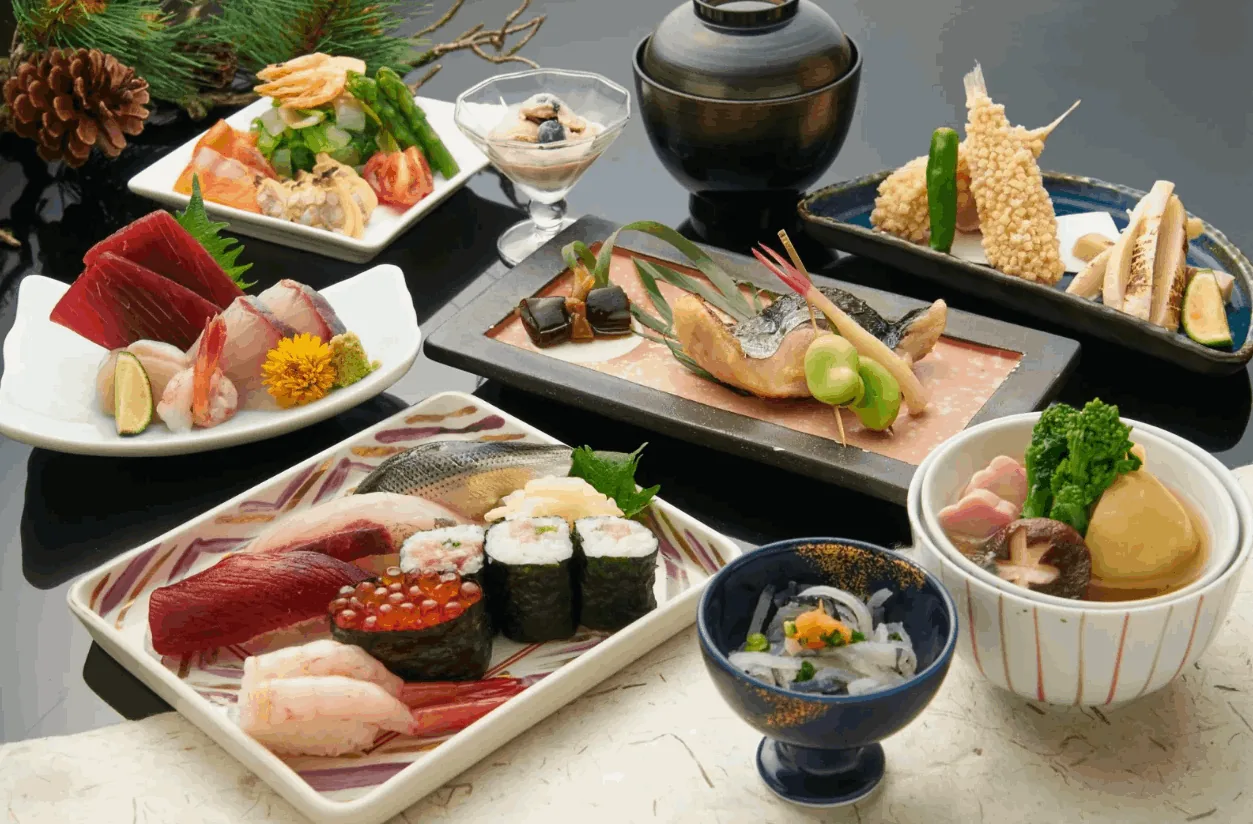
Traditional Japanese Dishes At Home
Japanese cuisine is often celebrated around the world for its balance, presentation, and deep connection to seasonal ingredients. While many people first become interested in sushi recipes or restaurant-style meals, the heart of Japanese food culture is often found in simple homemade cooking. Traditional Japanese dishes prepared at home reflect everyday life, family customs, and the quiet comfort of sharing meals together. These dishes are rarely focused on luxury or complexity. Instead, they emphasize harmony, freshness, and careful preparation that make ordinary ingredients feel meaningful.
In many Japanese households, cooking is closely connected to routine and seasonality. Meals are often designed to feel balanced rather than overwhelming, combining rice, vegetables, Japanese soups, and smaller side dishes into a complete dining experience. This structure has remained an important part of Japanese cuisine for generations because it encourages moderation and appreciation for each ingredient. Even simple homemade sushi recipes are often served alongside warm soups or seasonal vegetables to create a meal that feels calm and complete.
One reason traditional Japanese dishes remain so important is their ability to preserve family memories and regional traditions. Recipes are often passed from parents to children with small adjustments that reflect local tastes or seasonal availability. A soup prepared during winter or a special dish served during celebrations may carry emotional meaning far beyond its ingredients. Japanese cuisine is filled with these personal connections, where food becomes a way to remember family gatherings, seasonal festivals, and everyday moments shared around the table.
Many people outside Japan imagine that Japanese cuisine requires advanced culinary skills, but home cooking traditions are often based on simplicity and patience. Traditional Japanese dishes usually focus on allowing ingredients to maintain their natural flavor rather than covering them with heavy seasoning. This approach can also be seen in Japanese soups, where light broths and fresh vegetables create comforting meals without excessive richness. Sushi recipes prepared at home follow similar principles, relying on careful preparation and ingredient balance instead of complicated techniques.
The atmosphere surrounding homemade meals is also an important part of Japanese cuisine. Meals are often served in a quiet and thoughtful way that encourages people to slow down and appreciate the experience. Traditional Japanese dishes are commonly arranged with attention to color, texture, and seasonality, even when the preparation itself is simple. This sense of harmony reflects a broader cultural appreciation for mindfulness and balance that extends beyond food into daily life.
Seasonal ingredients continue to shape the identity of traditional Japanese dishes prepared at home. Spring meals may include lighter vegetables and delicate flavors, while autumn often introduces earthy textures and warmer combinations. Japanese soups change naturally with the weather, becoming lighter during hot months and more comforting during winter. Sushi recipes can also reflect seasonal changes through ingredient choices and presentation styles. Japanese cuisine encourages awareness of these transitions, helping meals feel connected to the surrounding environment and the passage of time.
Another important feature of homemade Japanese cuisine is flexibility. While certain cooking traditions remain consistent, families often adapt dishes depending on available ingredients and personal preferences. This practical creativity allows traditional Japanese dishes to evolve while still preserving their cultural identity. Home cooks may simplify sushi recipes or adjust Japanese soups based on what is fresh and accessible, yet the essential values of balance and care remain unchanged.
The preparation process itself is often treated as an important part of the meal experience. Washing rice carefully, cutting vegetables with attention, or preparing broth slowly can transform cooking into a calm and rewarding routine. Japanese cuisine values patience and repetition, encouraging cooks to improve gradually over time rather than seeking immediate perfection. Traditional Japanese dishes prepared at home reflect this philosophy clearly because they are often shaped through years of small daily practices rather than dramatic culinary performances.
For many people, learning to prepare traditional Japanese dishes at home also creates a stronger appreciation for cultural traditions. Understanding how Japanese soups are balanced or why sushi recipes emphasize freshness can reveal deeper ideas about hospitality, simplicity, and seasonal awareness. Japanese cuisine is not only about flavor but also about creating meals that feel peaceful and connected to everyday life. This perspective helps explain why even modest homemade dishes can feel meaningful and memorable.
Modern lifestyles have naturally influenced how traditional Japanese dishes are prepared today. Busy schedules sometimes encourage quicker cooking methods or simplified recipes, but many families still preserve core traditions through regular meals and seasonal customs. Japanese soups continue to provide comfort during colder months, while homemade sushi recipes remain popular for family gatherings and celebrations. Japanese cuisine has adapted to changing times while maintaining its emphasis on harmony and thoughtful preparation.
One of the most appealing aspects of homemade Japanese cuisine is its balance between practicality and beauty. Traditional Japanese dishes do not need elaborate decoration to feel special. A simple bowl of soup, carefully prepared rice, or homemade sushi served with seasonal ingredients can create a satisfying and peaceful meal experience. Japanese soups often provide warmth and comfort, while sushi recipes encourage creativity and shared preparation among family members. Together, these meals reflect the everyday elegance that defines so much of Japanese cuisine.
As interest in Japanese cuisine continues to grow internationally, more people are discovering that the true spirit of the culture is often found in home kitchens rather than restaurants alone. Traditional Japanese dishes prepared at home reveal values of patience, respect for ingredients, and appreciation for seasonal change. Through simple sushi recipes, comforting Japanese soups, and balanced everyday meals, people can experience a more personal and authentic side of Japanese culinary tradition. These meals remind us that cooking does not need to be complicated to create comfort, connection, and lasting memories.