Simple Sushi Recipes For Beginners
Japanese cuisine is often admired for its elegance, balance, and careful presentation, but many people believe that preparing sushi at home is far more difficult than it actually is. In reality, beginners can start learning simple sushi recipes with only a few basic ingredients and a willingness to practice patiently. While restaurants often present sushi as an art form perfected over many years, homemade versions can become a relaxing and enjoyable part of everyday cooking. Exploring sushi recipes also opens the door to understanding Japanese soups and traditional Japanese dishes that are commonly served together as part of a balanced meal.
One of the most important ideas in Japanese cuisine is simplicity. Sushi does not always require complicated preparation or rare ingredients. Many traditional Japanese dishes began as practical home meals created with seasonal products and careful attention to flavor balance. Simple sushi recipes often focus on texture, freshness, and presentation rather than complexity. A beginner learning Japanese cuisine can start by preparing rice carefully and understanding how ingredients work together in harmony. Even basic combinations can create satisfying meals when prepared thoughtfully.
Rice is the heart of many sushi recipes and deserves careful attention. In Japanese cuisine, properly prepared rice is considered just as important as the filling or topping itself. The texture should feel soft yet structured, allowing it to hold shape without becoming heavy. Beginners often discover that learning patience while preparing rice teaches valuable lessons about balance and timing found throughout traditional Japanese dishes. While sushi may appear visually simple, the small details involved in preparation reflect the broader philosophy of Japanese cuisine.
Many people first associate sushi with restaurants, but homemade sushi recipes often create a more personal and relaxed experience. Preparing food slowly at home encourages creativity and mindfulness. Families in Japan sometimes prepare sushi together during gatherings or seasonal celebrations, making the process itself part of the enjoyment. Alongside Japanese soups and other traditional Japanese dishes, sushi becomes part of a shared meal that emphasizes connection and hospitality rather than perfection.
Another reason beginners enjoy simple sushi recipes is their flexibility. Ingredients can change depending on the season, personal preference, or local availability. Japanese cuisine has always adapted to regional ingredients while preserving its core values of balance and freshness. This adaptability can also be seen in Japanese soups, where seasonal vegetables and flavors change naturally throughout the year. Traditional Japanese dishes often reflect local identity and climate, allowing home cooks to create meals that feel connected to both culture and environment.
Presentation also plays an important role in sushi preparation, even at the beginner level. Japanese cuisine values visual harmony because appearance influences the dining experience as much as flavor. A simple plate arranged with care can feel calm and inviting. Beginners experimenting with sushi recipes may notice that careful placement of ingredients encourages slower and more mindful eating habits. Traditional Japanese dishes frequently emphasize this sense of quiet appreciation, helping meals feel more meaningful without becoming overly formal.
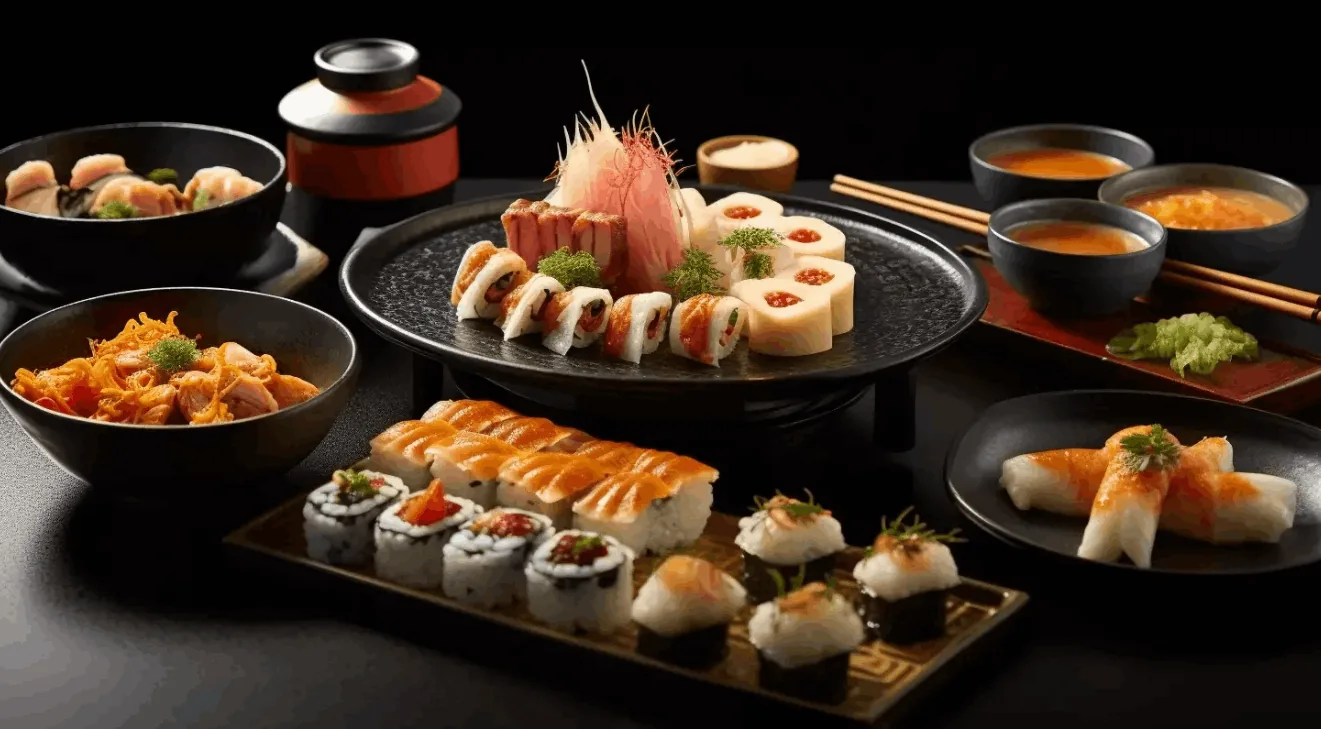
Many people are surprised to learn how well sushi pairs with Japanese soups and lighter side dishes. In Japanese cuisine, meals are often designed around balance rather than a single dominant dish. Warm soups can complement the cooler textures of sushi, while small vegetable dishes add variety and color. This combination creates meals that feel satisfying without being excessively heavy. Traditional Japanese dishes are often appreciated for this thoughtful structure, where each element contributes to the overall experience.
Learning sushi recipes at home can also deepen appreciation for ingredient quality and preparation techniques. Beginners begin noticing how freshness, texture, and seasoning influence the final result. Japanese cuisine encourages respect for ingredients rather than excessive decoration or overpowering flavors. This principle can be found in Japanese soups as well, where subtle seasoning allows natural ingredients to remain the focus. Traditional Japanese dishes often rely on restraint and precision, creating meals that feel balanced and comforting.
Another valuable lesson beginners gain from sushi preparation is patience. Rolling sushi neatly or shaping rice evenly may seem difficult at first, but improvement comes naturally through repetition. Japanese cuisine often emphasizes steady practice rather than instant perfection. Even experienced home cooks continue refining their sushi recipes over time. This patient approach reflects a broader cultural appreciation for craftsmanship and gradual learning that can also be seen in many traditional Japanese dishes.
Seasonal awareness is another important element connected to sushi preparation. During warmer months, lighter flavors and fresh vegetables may become more popular, while colder seasons encourage richer textures and comforting Japanese soups. Japanese cuisine frequently adapts to the changing environment, allowing meals to reflect the mood of each season. Traditional Japanese dishes often celebrate these natural transitions, helping people feel more connected to everyday life and local ingredients.
For beginners, simple sushi recipes can become more than a cooking activity. They offer an introduction to the philosophy and traditions that shape Japanese cuisine as a whole. Preparing rice carefully, selecting ingredients thoughtfully, and serving meals alongside Japanese soups and traditional Japanese dishes all encourage greater appreciation for balance and mindfulness in cooking. Sushi at home does not need to resemble restaurant presentation to feel meaningful. Often, the quiet process of preparing and sharing food with others becomes the most memorable part of the experience.
As more people around the world explore Japanese cuisine, homemade sushi continues to grow in popularity because it combines creativity, simplicity, and cultural tradition. Beginners quickly discover that sushi recipes are not only about technique but also about atmosphere and intention. A carefully prepared meal shared with family or friends can reflect the same warmth and harmony present in many traditional Japanese dishes. Together with comforting Japanese soups and seasonal ingredients, simple sushi preparation allows people to experience a more personal side of Japanese culinary culture from their own kitchens.