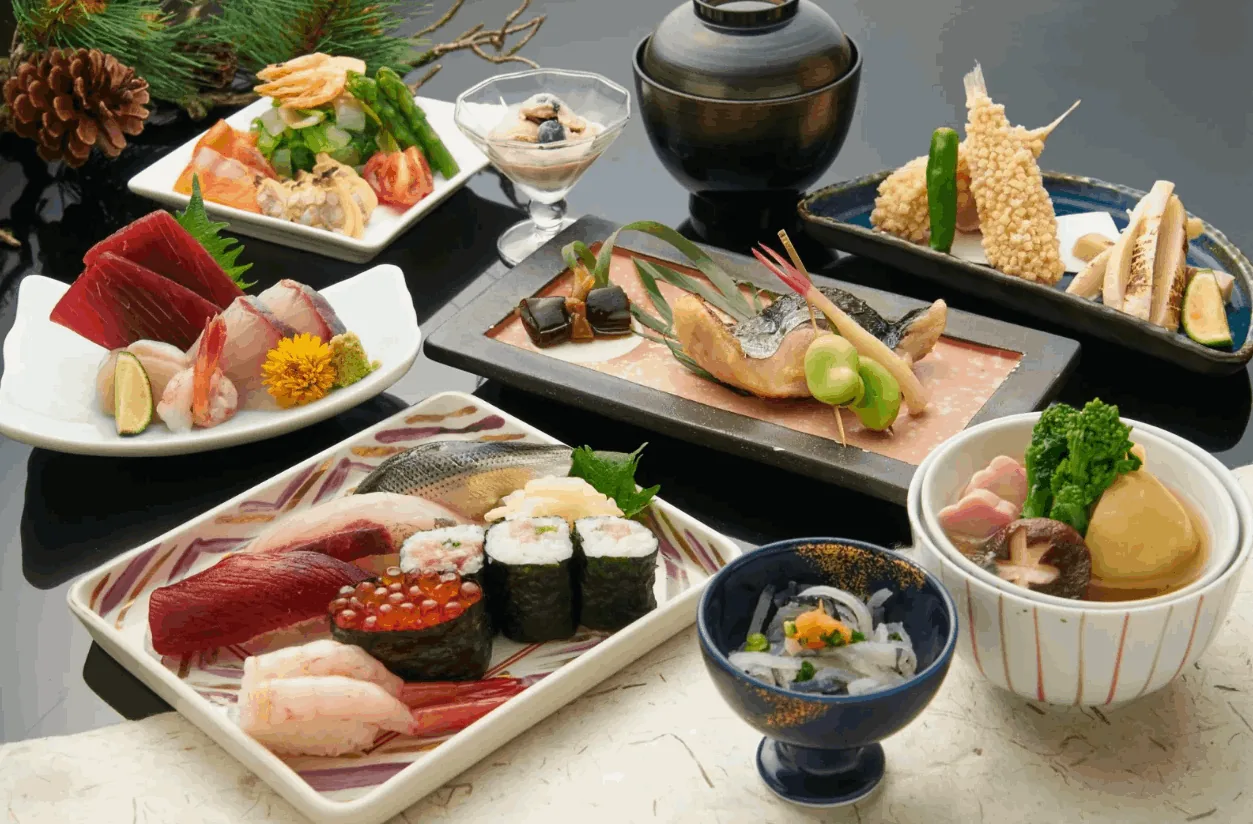
Seasonal Secrets Of Japanese Soups
Japanese cuisine is deeply connected to the rhythm of the seasons, and this connection becomes especially clear through the many varieties of Japanese soups prepared throughout the year. In homes across Japan, soups are more than simple side dishes. They are comforting daily meals that reflect weather, local ingredients, and family traditions. While many visitors first discover Japanese cuisine through sushi recipes and famous traditional Japanese dishes, soups often represent the most personal and comforting side of everyday cooking. A warm bowl served during a cold evening or a light broth enjoyed during summer can reveal how carefully seasonal balance is respected in Japanese food culture.
One of the reasons Japanese soups remain important in traditional Japanese dishes is their ability to highlight natural ingredients without overwhelming flavors. Many recipes focus on gentle seasoning and fresh vegetables that change depending on the time of year. During spring, cooks may prepare light broths with greens and delicate herbs that symbolize renewal and freshness. Summer soups are often lighter and refreshing, helping people stay comfortable during humid weather. Autumn introduces earthy ingredients and richer textures, while winter encourages slow-cooked soups that provide warmth and comfort. This seasonal awareness is a central element of Japanese cuisine and can also inspire people experimenting with homemade sushi recipes and balanced meal preparation.
The simplicity found in Japanese soups reflects a broader philosophy present throughout traditional Japanese dishes. Rather than masking ingredients with heavy sauces, cooks often allow each element to maintain its natural character. A bowl of soup may contain only a few carefully selected components, but the harmony between texture, aroma, and temperature creates a satisfying experience. Even people who begin their exploration of Japanese cuisine through sushi recipes eventually discover that soups offer an equally important understanding of Japanese culinary traditions.
Family traditions also play a major role in the preparation of Japanese soups. Many households pass recipes from one generation to another, adjusting ingredients slightly depending on local customs or seasonal availability. Some soups are connected to celebrations, while others are prepared during colder months as a source of comfort and togetherness. Traditional Japanese dishes are often associated with patience and mindfulness, and soups perfectly represent this slower style of cooking. Preparing ingredients carefully, allowing flavors to develop gradually, and sharing meals with family members are all practices closely tied to Japanese cuisine.
Another interesting aspect of Japanese soups is the way they complement other meals. In many homes, soup is served alongside rice and small portions of traditional Japanese dishes to create balance within the meal. This balanced approach can also be seen in sushi recipes, where texture, color, and flavor are arranged carefully rather than excessively. Japanese cuisine frequently emphasizes moderation and harmony, encouraging people to enjoy meals slowly and appreciate subtle details that may otherwise go unnoticed.
Seasonal ingredients remain one of the most important secrets behind flavorful Japanese soups. Fresh vegetables, mushrooms, roots, and herbs can dramatically change the atmosphere of a meal. During colder months, thicker soups with hearty ingredients become more common, while spring and summer encourage lighter combinations. Traditional Japanese dishes often follow this seasonal logic naturally, helping meals feel connected to the surrounding environment. This awareness of nature has remained an essential part of Japanese cuisine for centuries and continues to influence both professional cooks and home kitchens today.
Many people outside Japan first become interested in Japanese cuisine because of popular sushi recipes, but soups often create a deeper appreciation for everyday cooking culture. Unlike restaurant-focused meals, Japanese soups frequently represent comfort, routine, and family life. A simple homemade broth prepared with seasonal vegetables can communicate warmth and hospitality in a very direct way. Traditional Japanese dishes are not always elaborate or visually dramatic. Sometimes the most memorable meals are quiet and simple, created with attention and care rather than complexity.
Learning about Japanese soups can also help home cooks better understand ingredient balance and preparation methods used throughout Japanese cuisine. The gentle layering of flavors, the importance of seasonal freshness, and the careful presentation of traditional Japanese dishes all become clearer when studying soups. Even people experimenting with sushi recipes at home may begin noticing how Japanese culinary traditions value restraint and harmony over excess. These principles encourage cooking that feels thoughtful, calm, and deeply connected to nature.
Today, Japanese soups continue to evolve while maintaining their cultural roots. Younger generations often combine traditional ideas with modern ingredients, creating meals that feel both familiar and contemporary. Yet the core values of Japanese cuisine remain visible in these recipes. Seasonal awareness, simplicity, and respect for ingredients still define many traditional Japanese dishes and continue to shape how soups are prepared across the country. Whether enjoyed during a family gathering, a quiet evening at home, or alongside homemade sushi recipes, Japanese soups remain one of the most comforting and meaningful expressions of Japanese culinary culture.